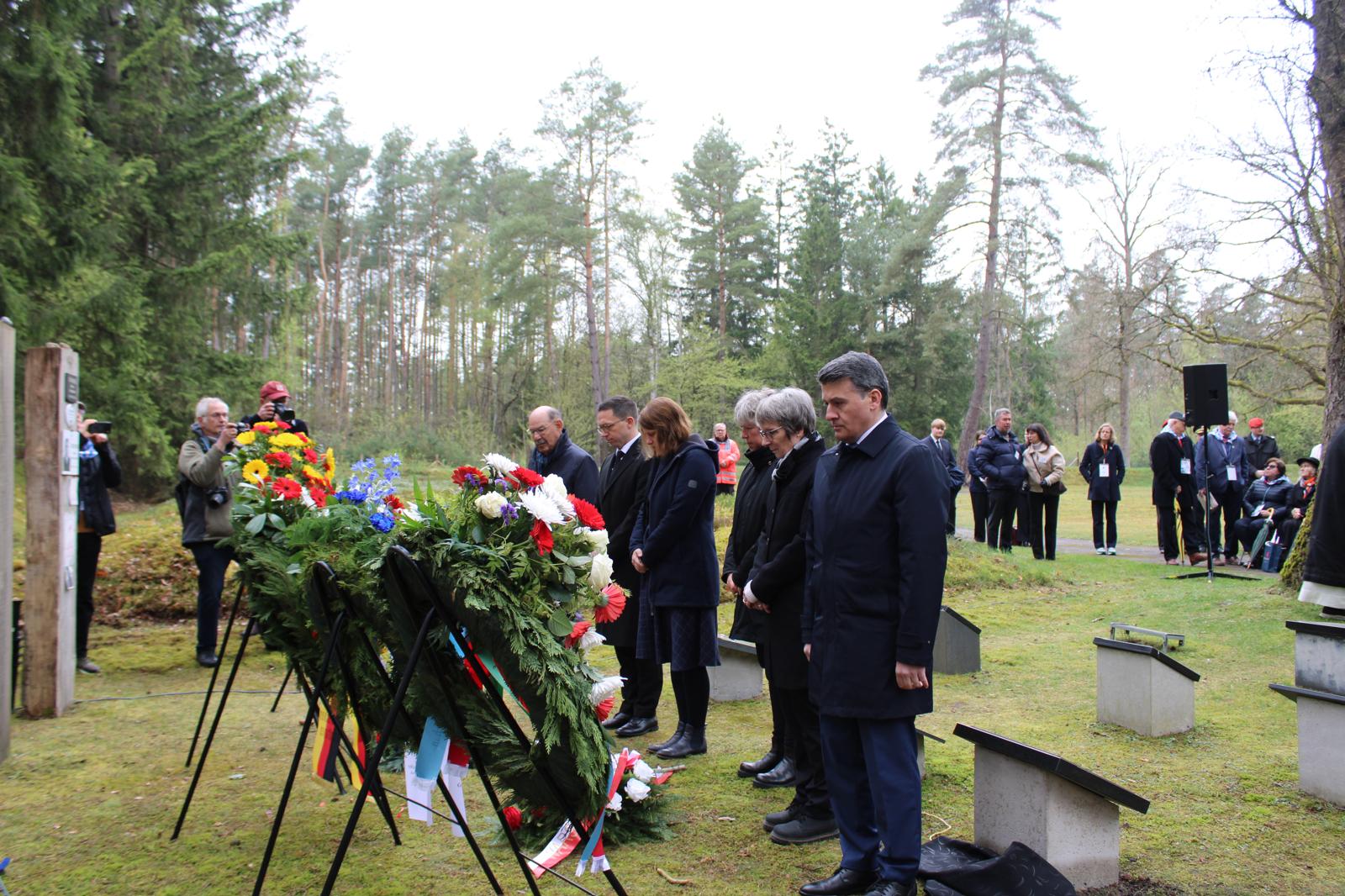
Unveiling of a Memorial Plaque for Azerbaijani Prisoners of War in Bergen-Belsen
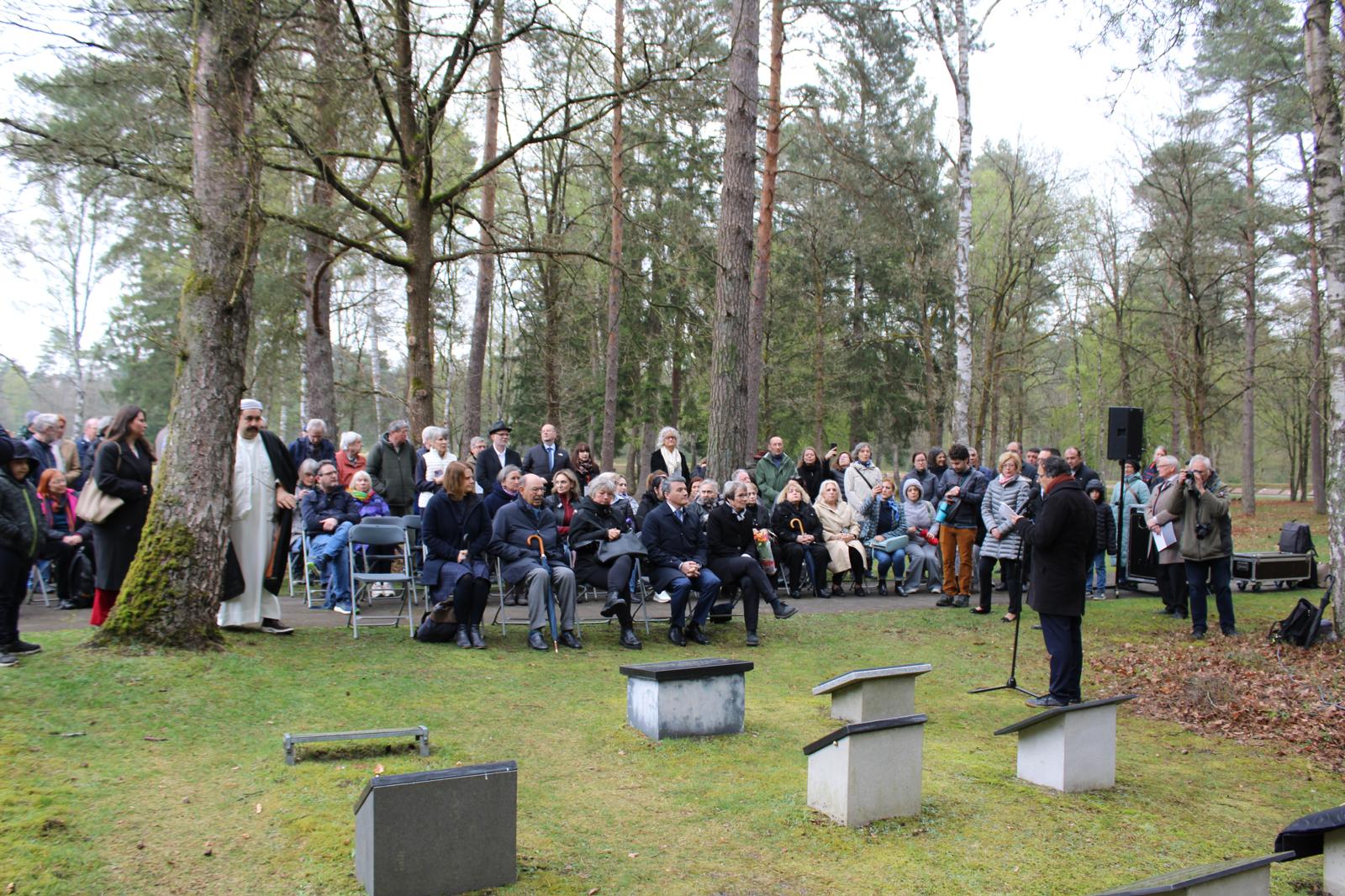
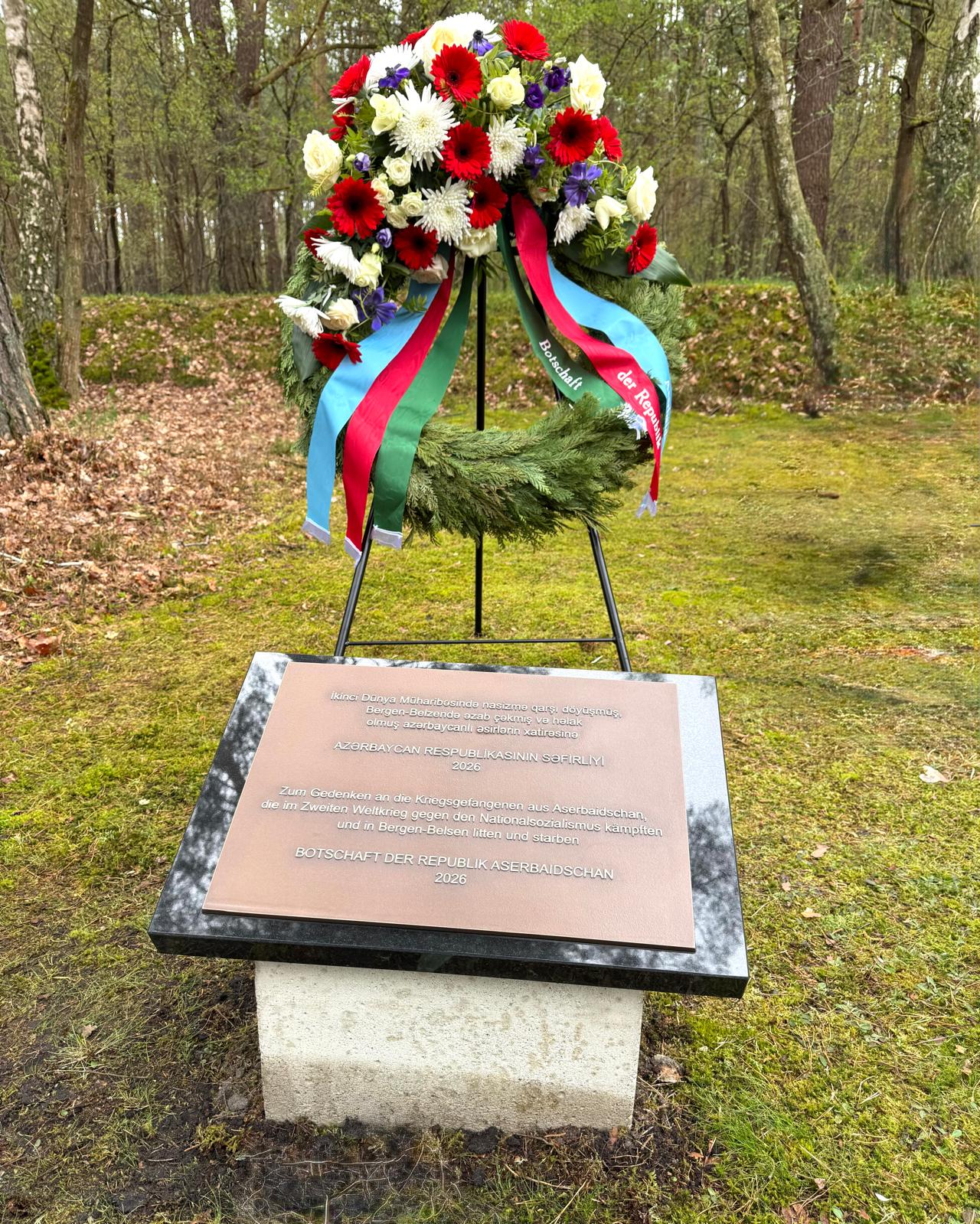
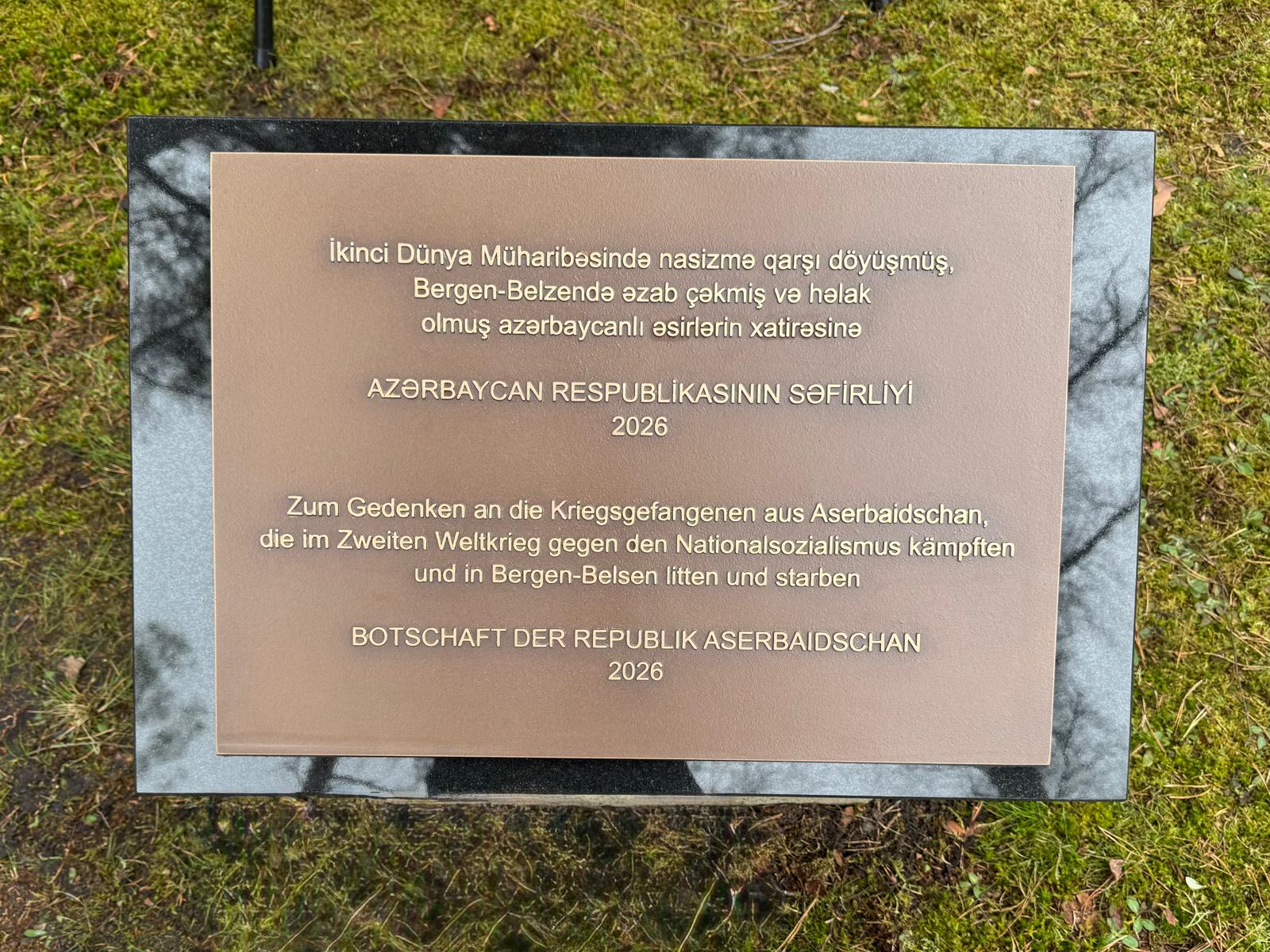
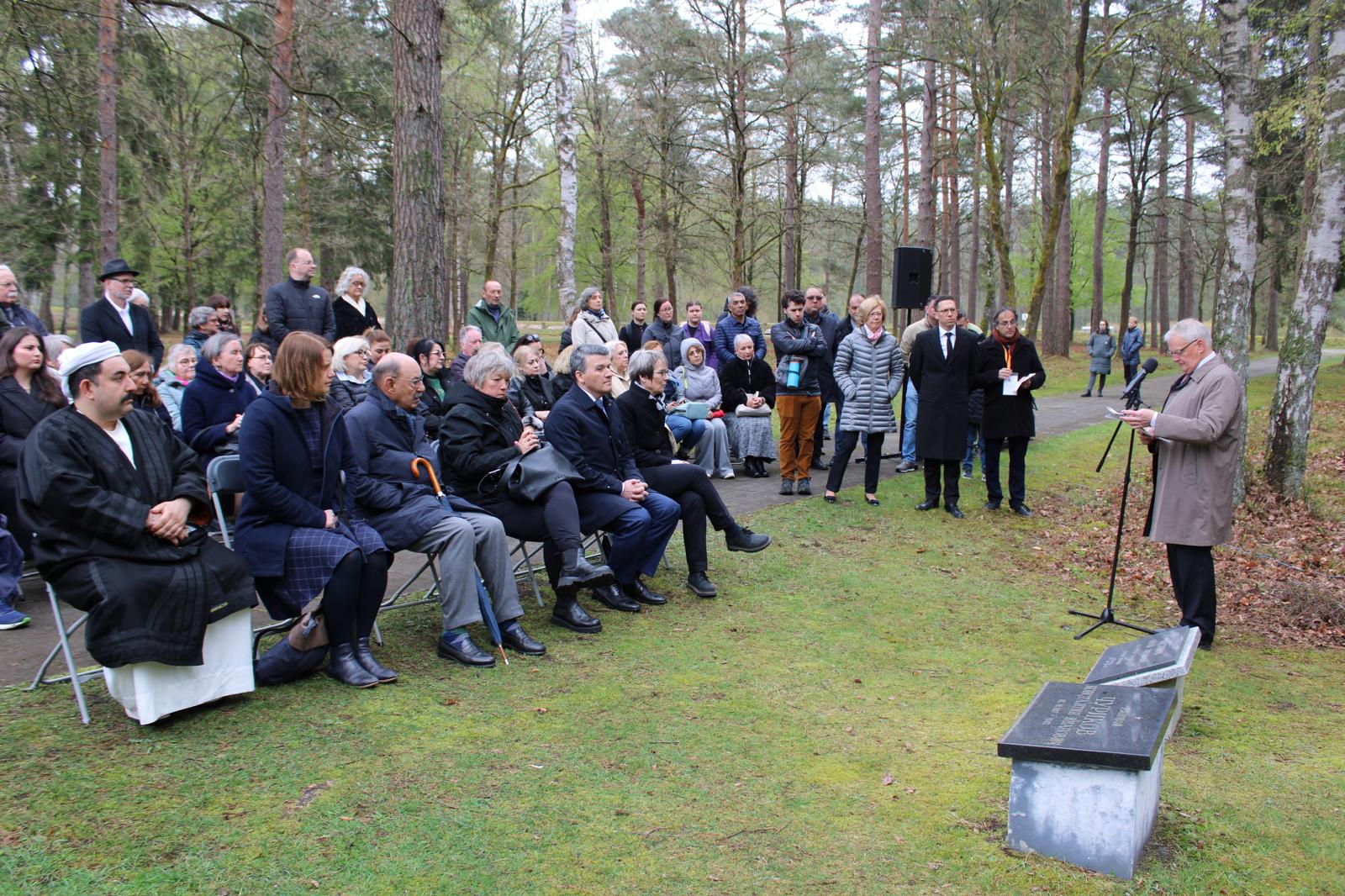
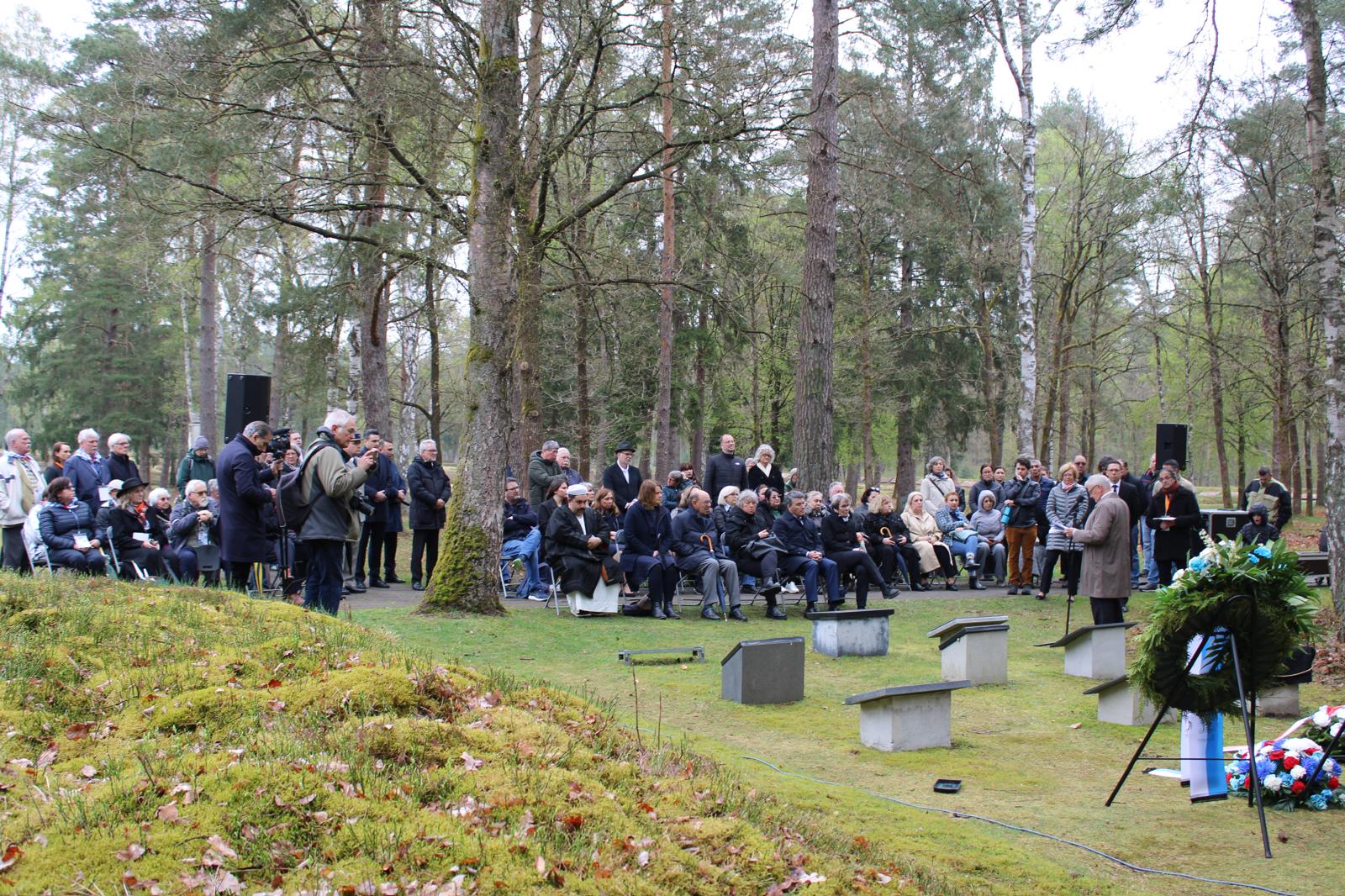
On April 19, a memorial plaque was unveiled for Azerbaijani prisoners of war who were interned in the Bergen-Belsen camp during the Second World War and lost their lives there.
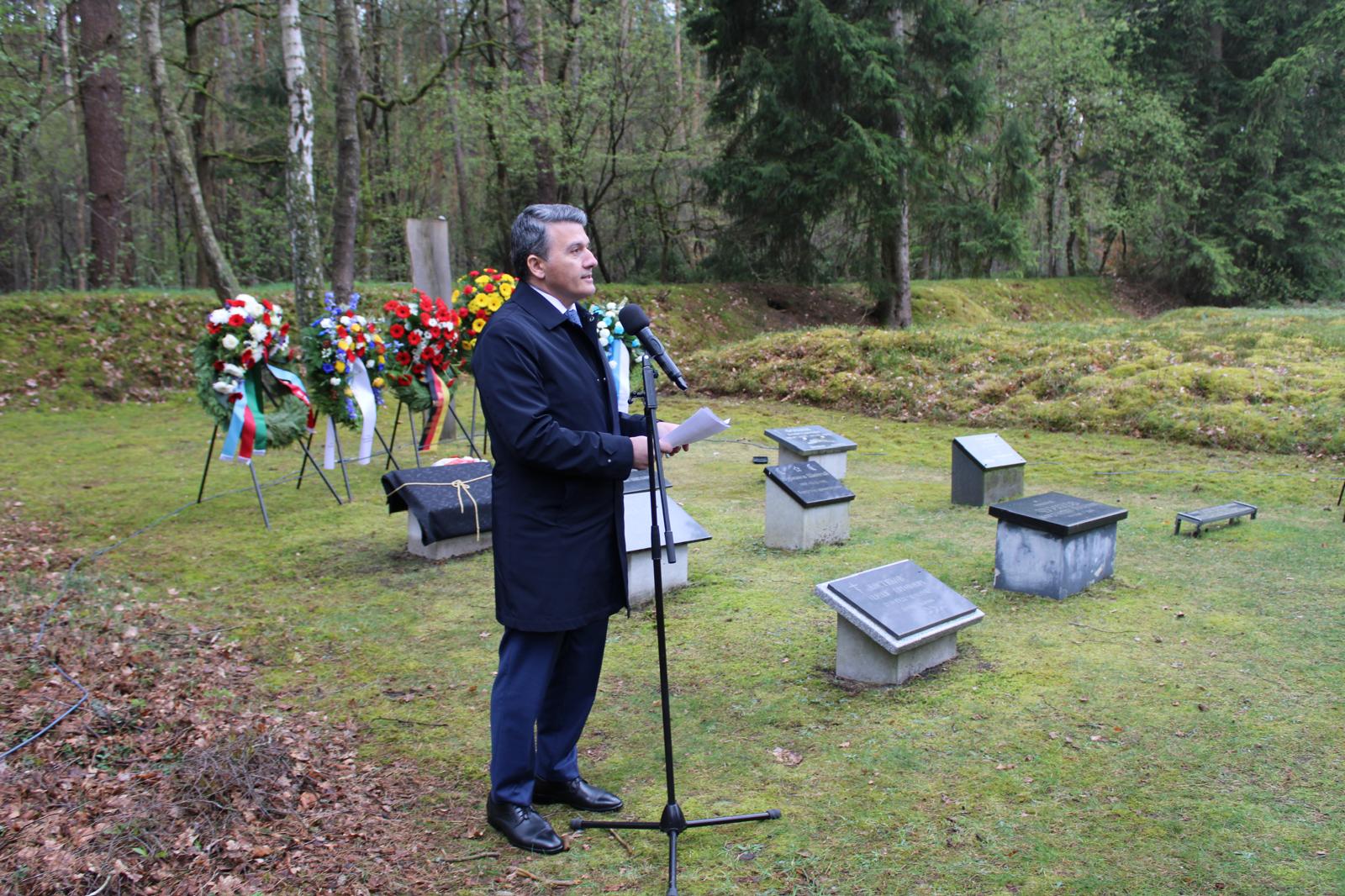
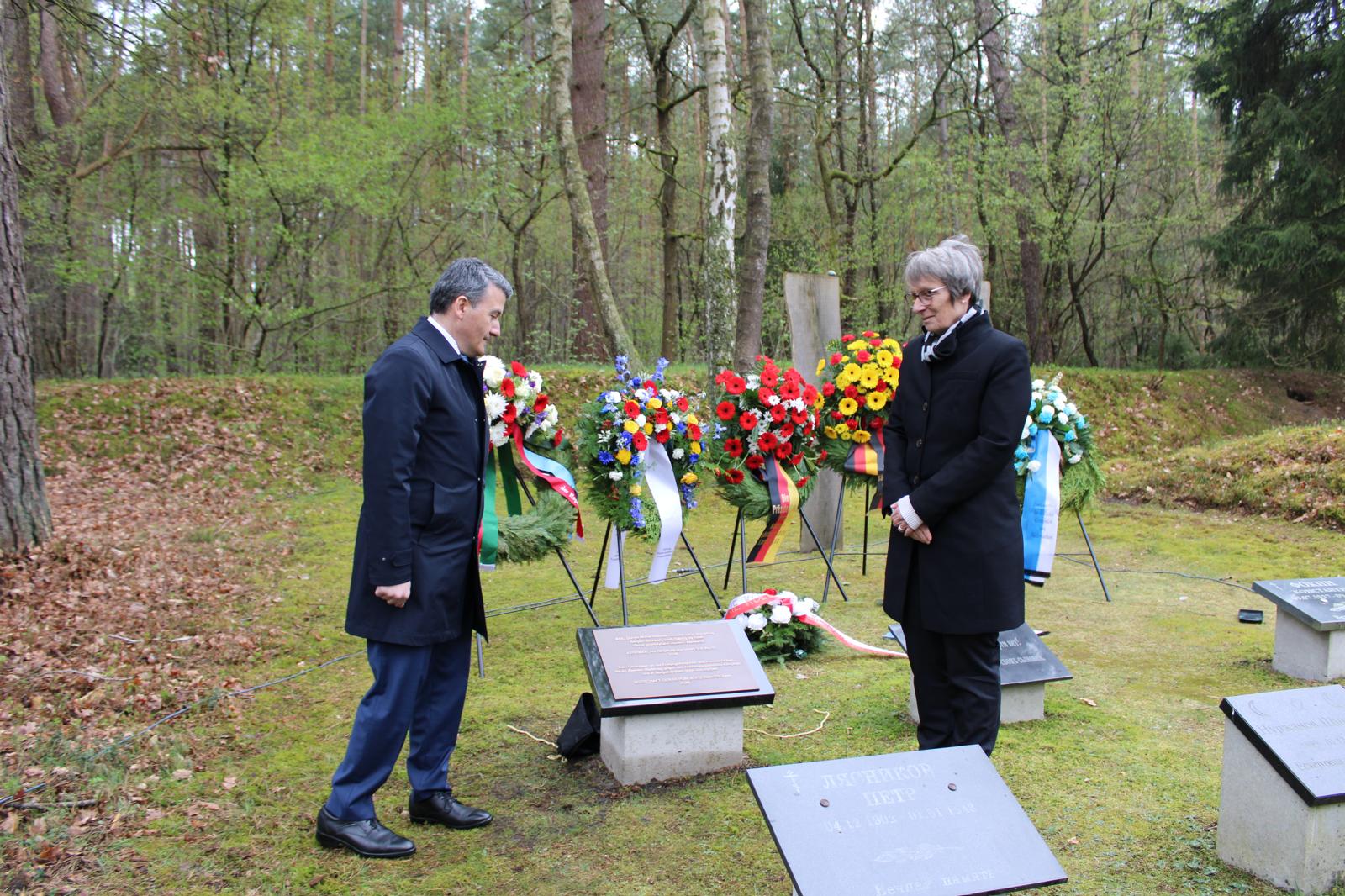
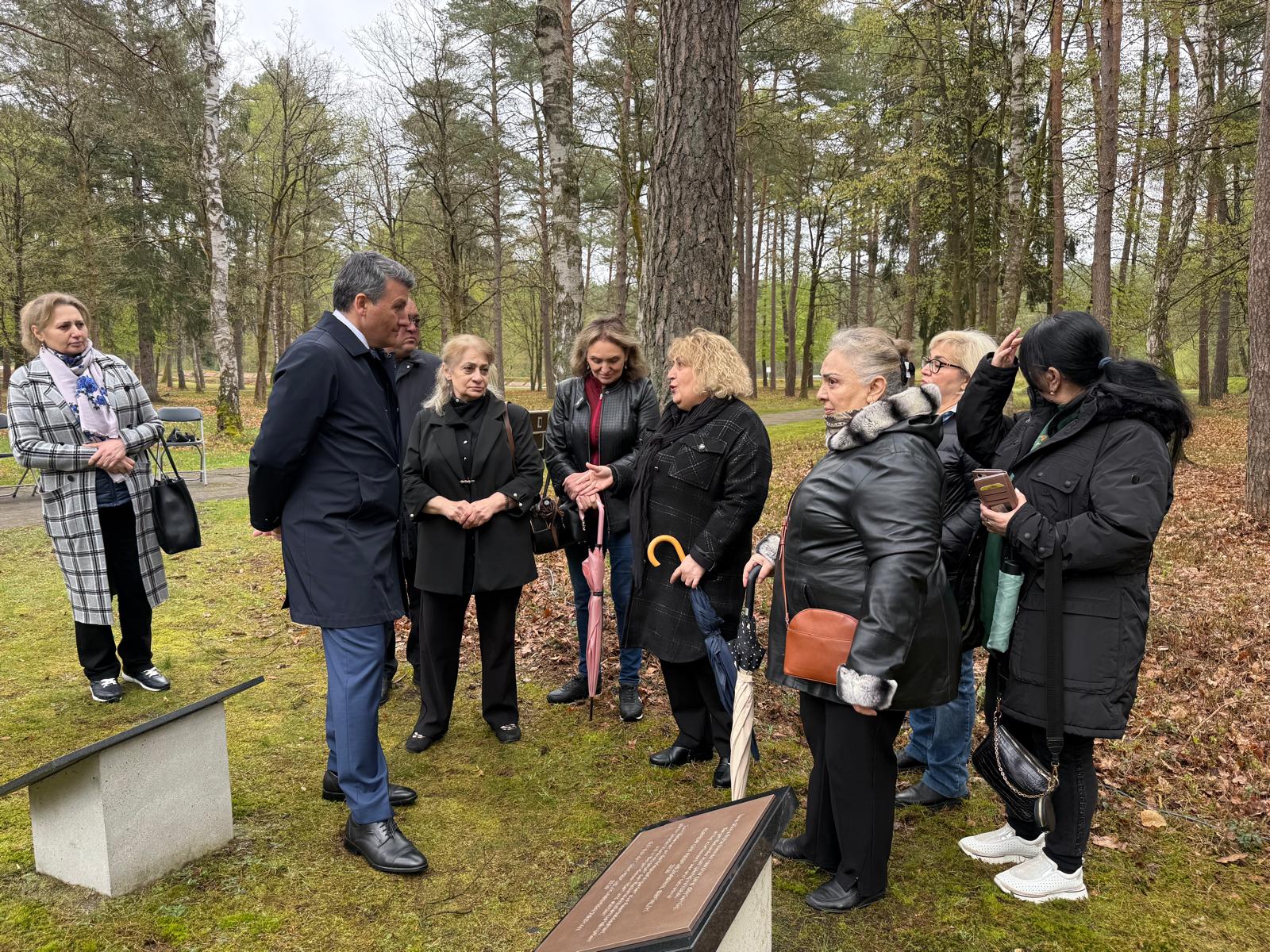
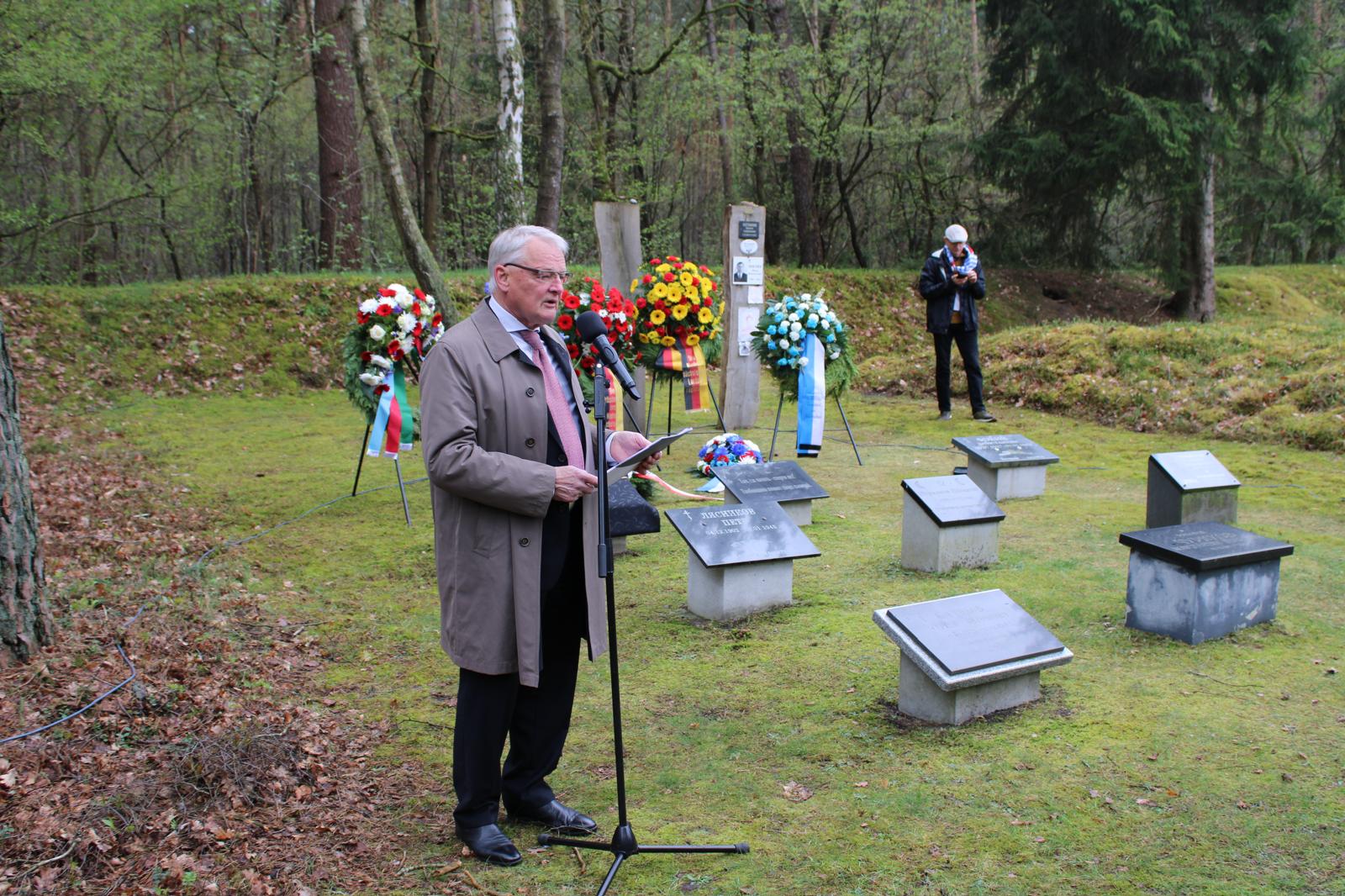
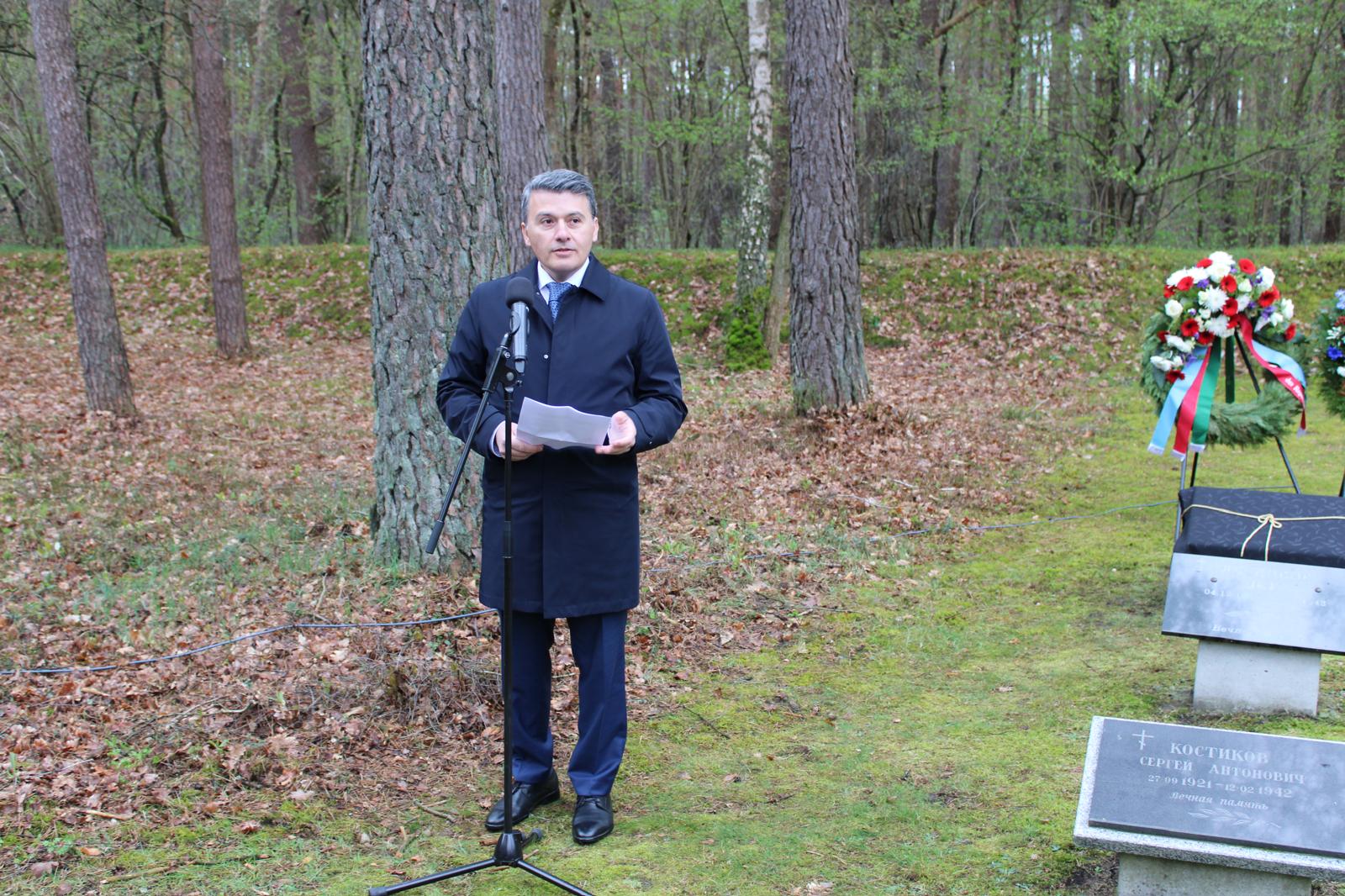
The ceremony took place at the prisoners-of-war cemetery of the Bergen-Belsen Memorial. The plaque was prepared by the Embassy of Azerbaijan in Germany in Azerbaijani and German.
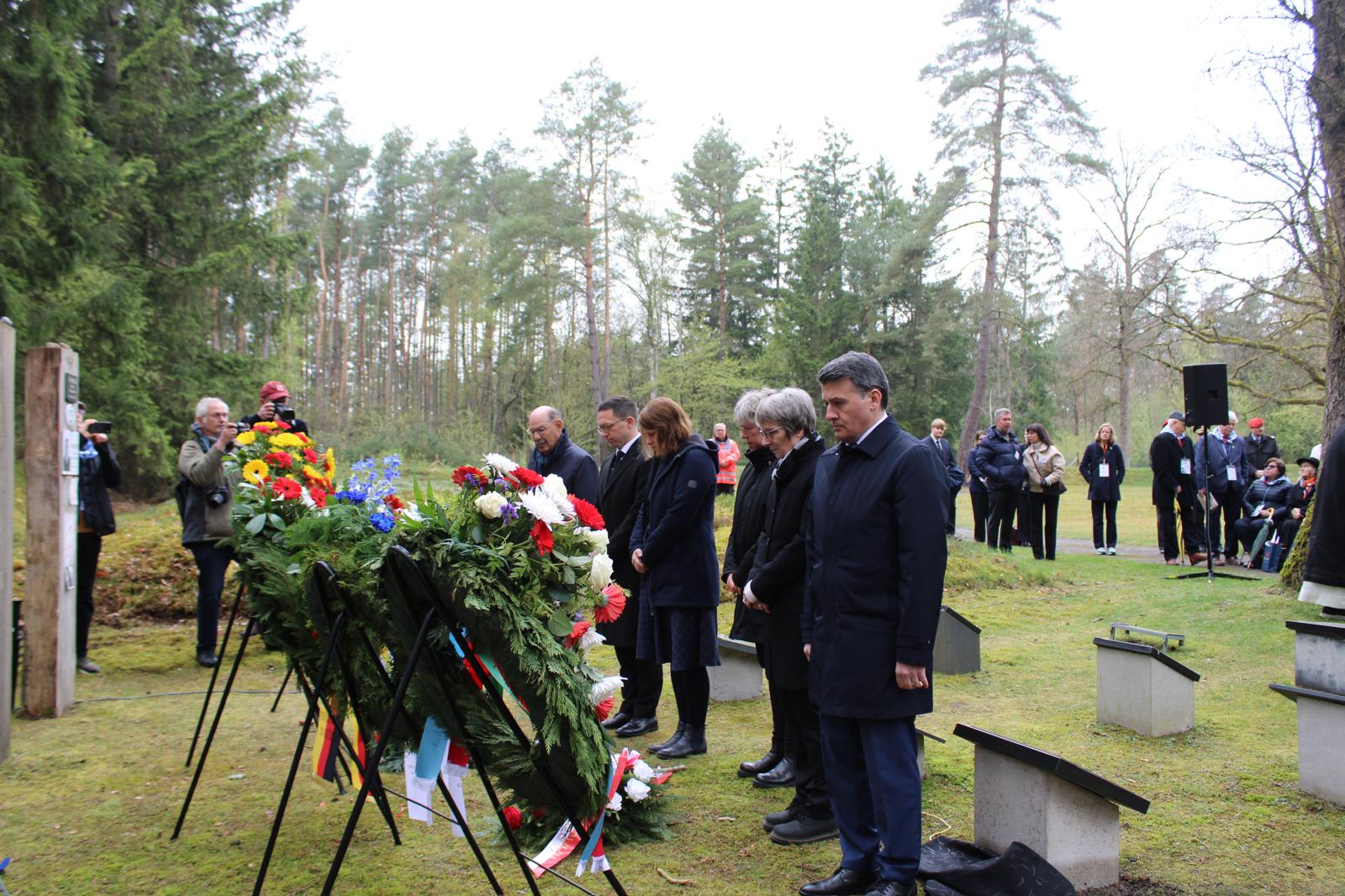
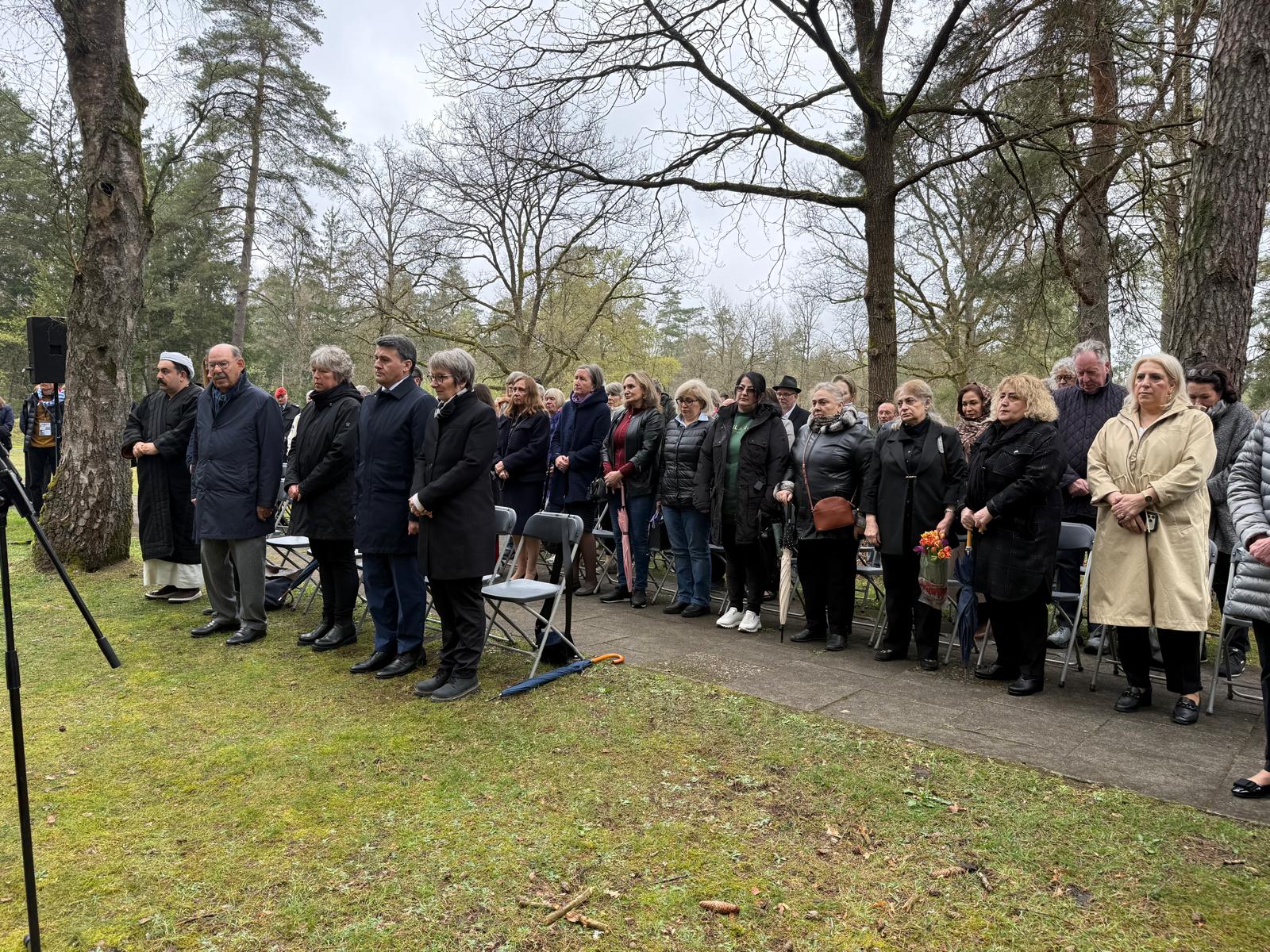
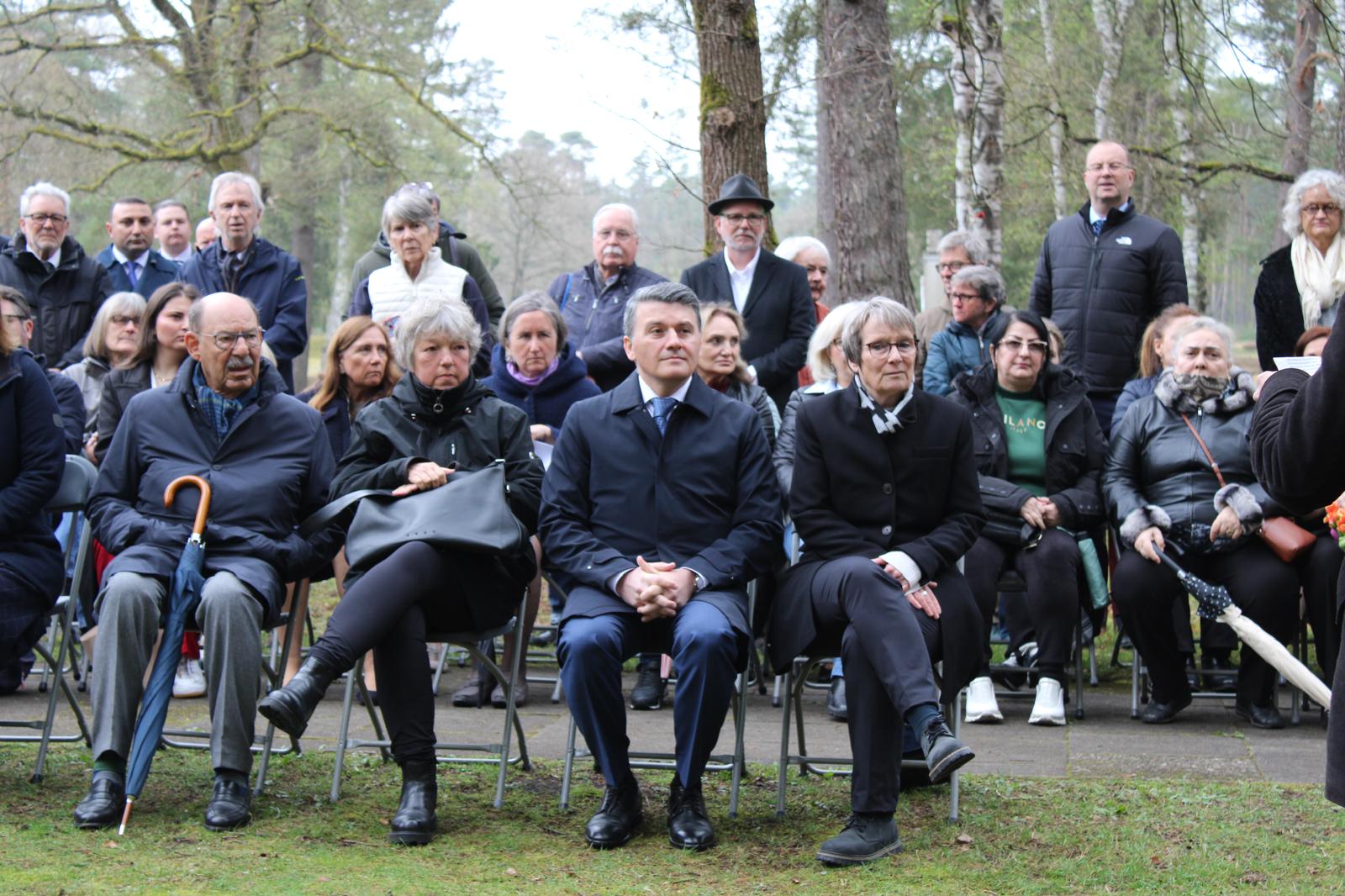
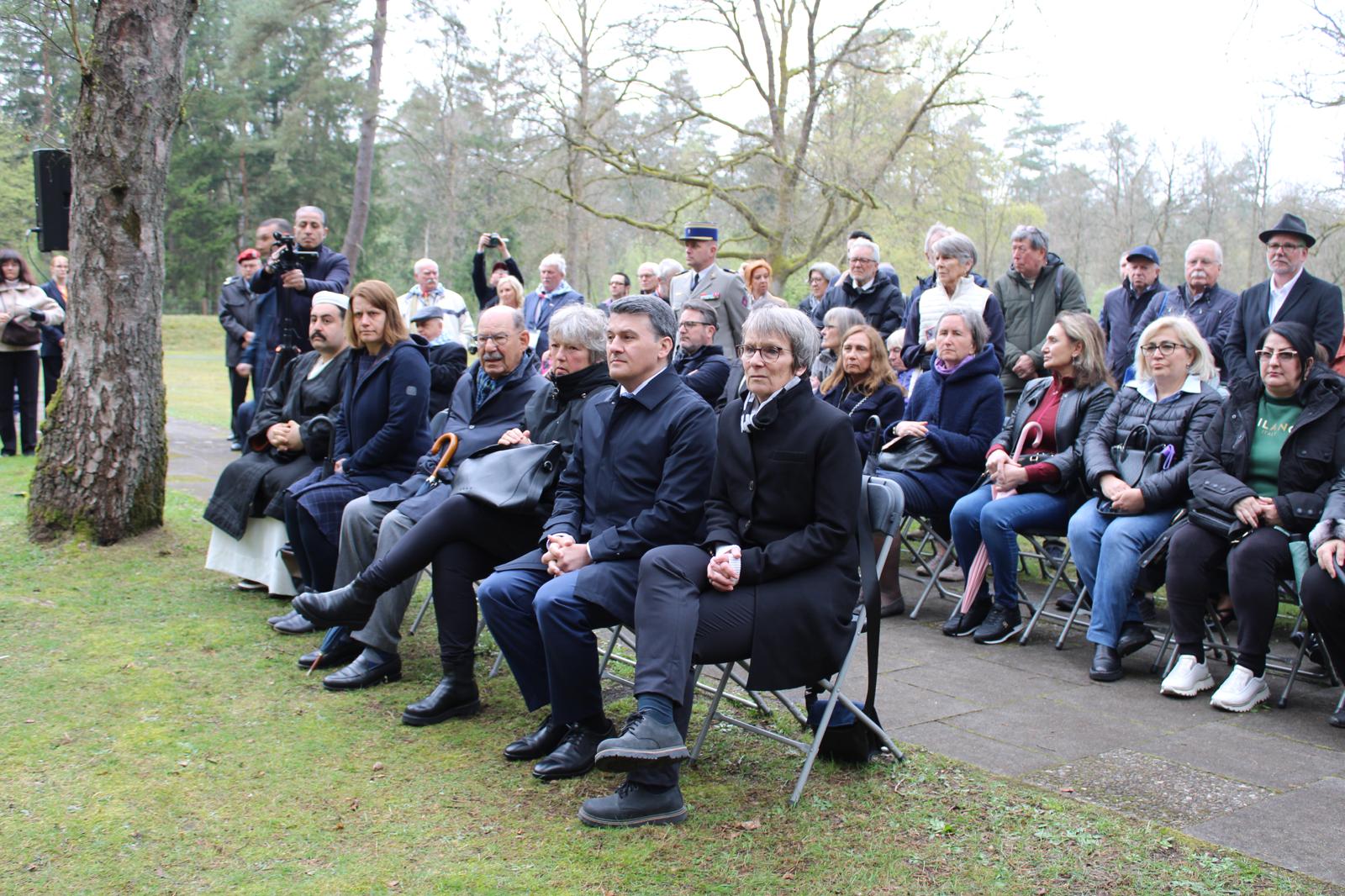
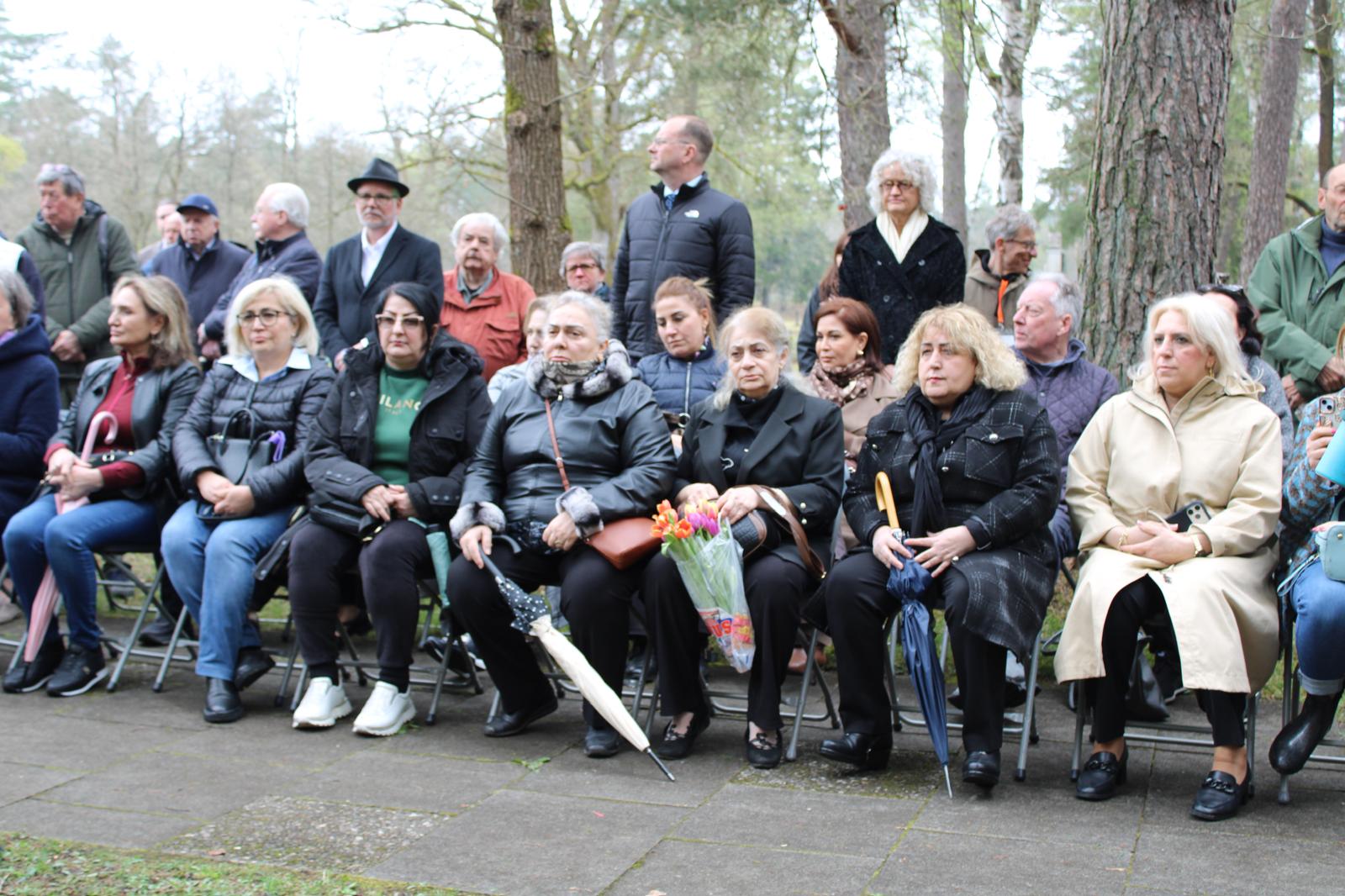
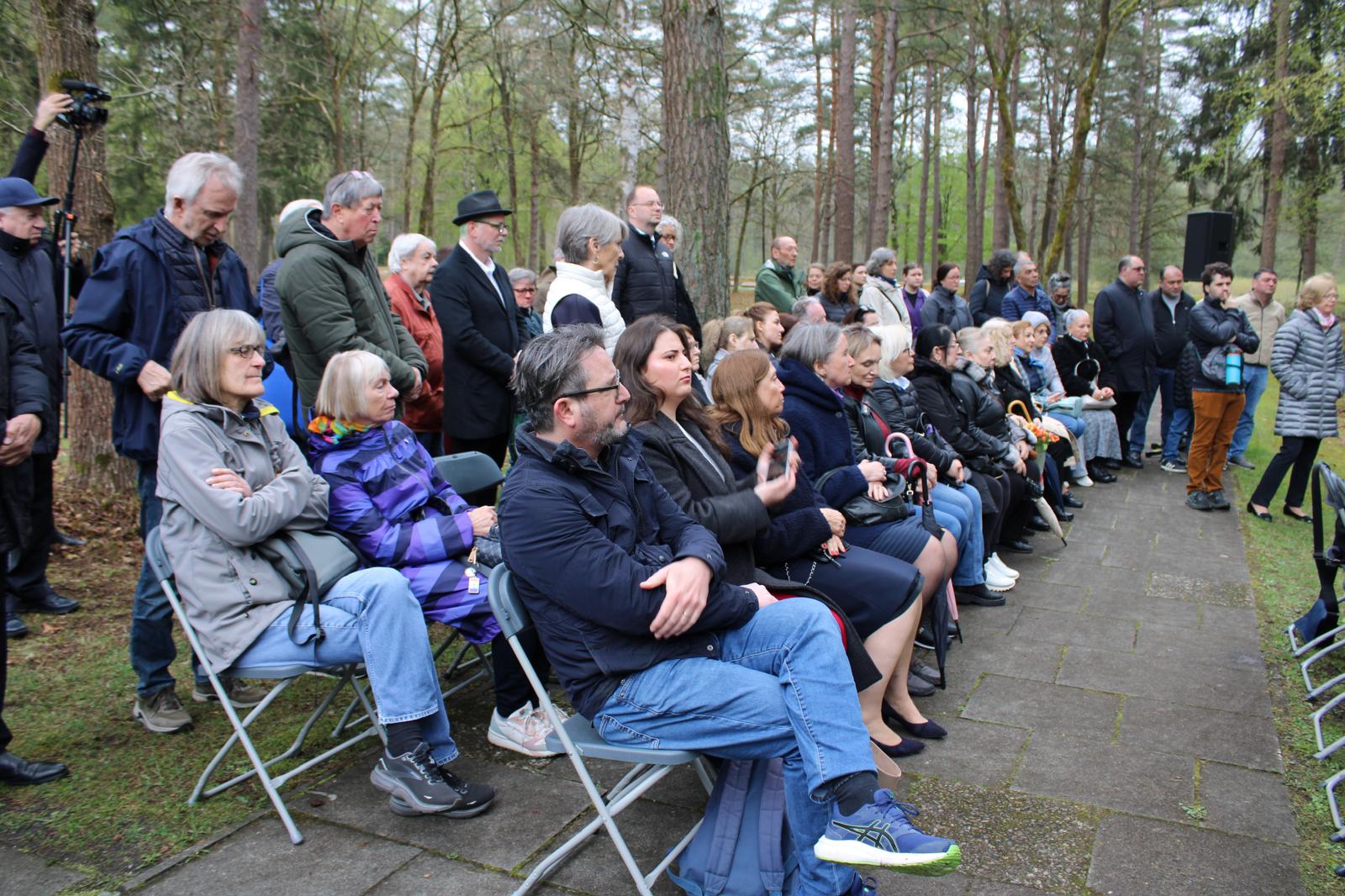
Among those attending the event were the Ambassador of Azerbaijan to Germany, Nasimi Aghayev; the President of the Lower Saxony State Parliament, Hanna Naber; Lower Saxony’s Minister of Education, Julia Willie Hamburg; and the Managing Director of the Foundation of Lower Saxony Memorials and Head of the Bergen-Belsen Memorial, Dr. Elke Gryglewski. Representatives of the Azerbaijani diaspora as well as numerous German institutions were also present.
In his commemorative speech, Ambassador Aghayev emphasized that the unveiling of the memorial plaque sends an important message against forgetting and against silence.
Following earlier initiatives in Dachau (2024) and Sachsenhausen (2025), the ceremony in Bergen-Belsen continues a path of remembrance, visibility, and historical justice. The plaque stands not only for the dead, but also addresses the living: it reminds us that freedom and human dignity can never be taken for granted.
Aghayev paid particular tribute to the Azerbaijani prisoners of war who were deported to Bergen-Belsen under inhumane conditions. Many of them died far from their homeland—without graves, without names, and without the chance to bid farewell. “Today we return them to our shared memory and restore their dignity,” he stressed.
The ambassador also highlighted Azerbaijan’s significant contribution to the victory over Nazism. Around 700,000 Azerbaijanis were mobilized for military service, more than 300,000 of whom lost their lives. They fought on decisive fronts such as Stalingrad, Kursk, Kyiv, Budapest, and Berlin. 128 of them were awarded the title “Hero of the Soviet Union,” while more than 170,000 others received orders and medals for their bravery. In addition, about 10,000 Azerbaijanis took part in the resistance against Nazi occupation across Europe.
The role of Azerbaijan’s oil industry was also underscored: a large share of the Soviet army’s supplies— including 80% of its fuel, 90% of its naphtha, and 96% of its lubricants—was produced in Azerbaijan. Furthermore, during the Holocaust, the country provided refuge and shelter to thousands of Jewish refugees.
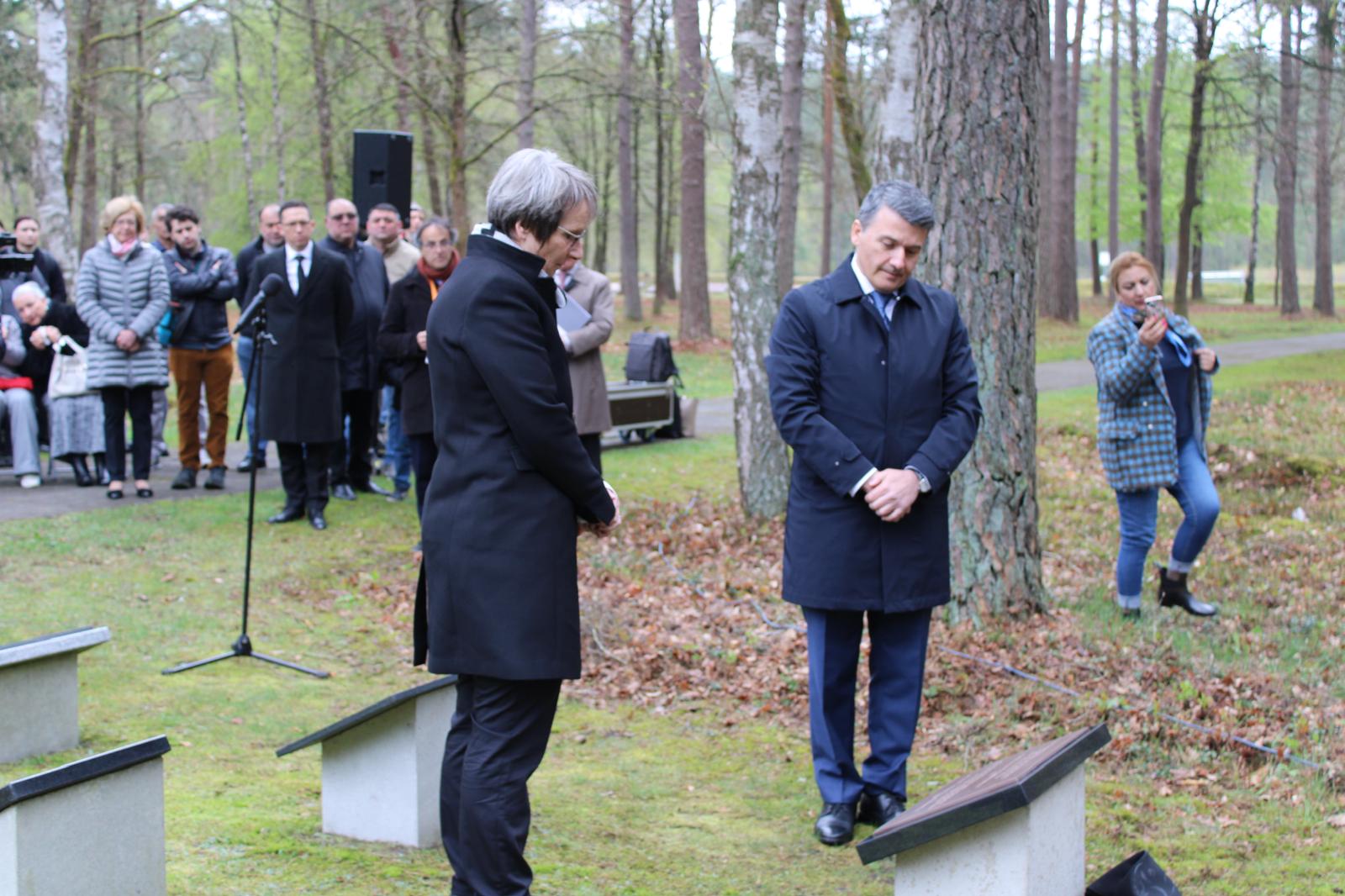
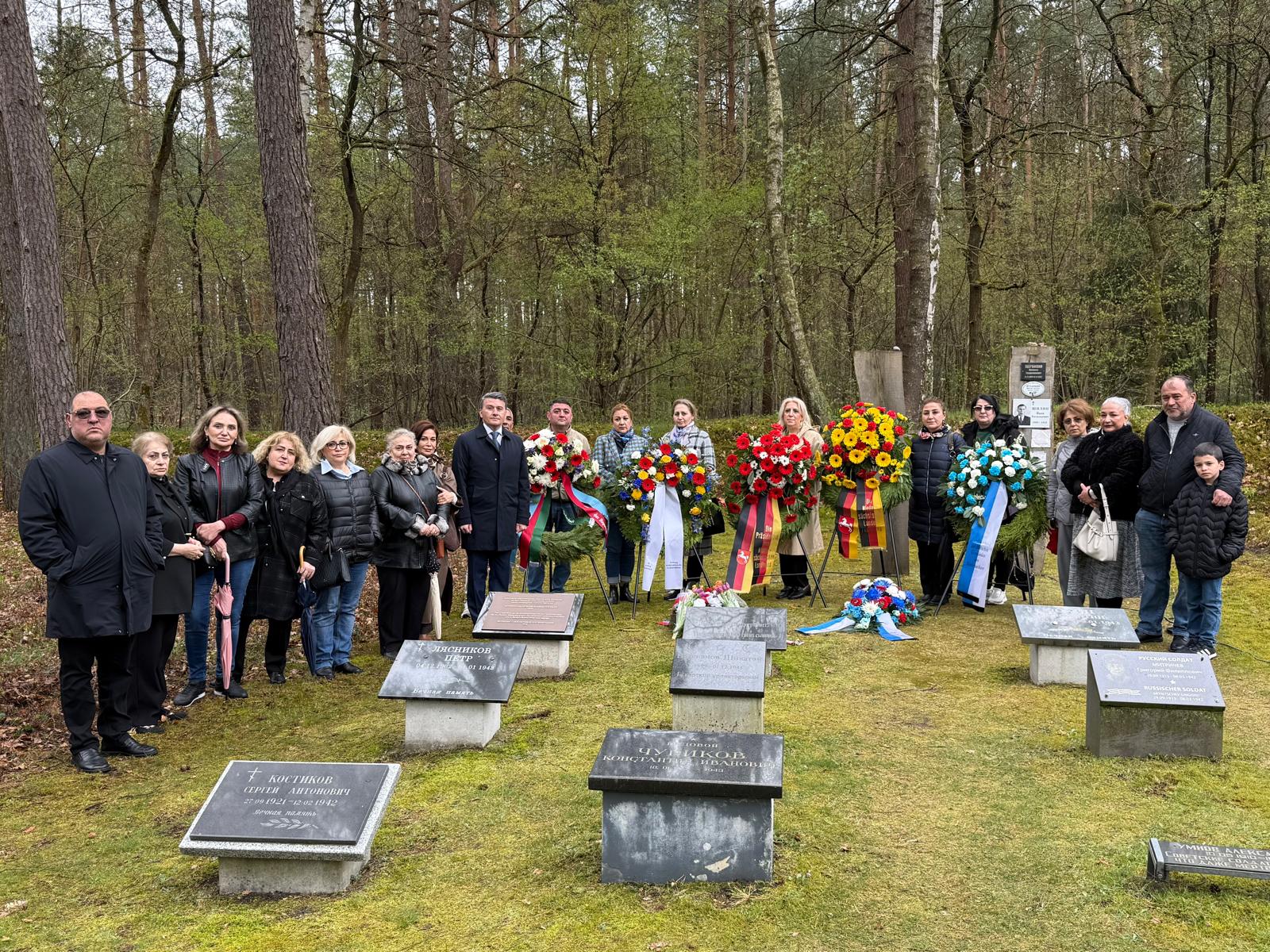
Following the speeches, the memorial plaque was ceremonially unveiled, wreaths were laid, and the victims were honored with a minute of silence.
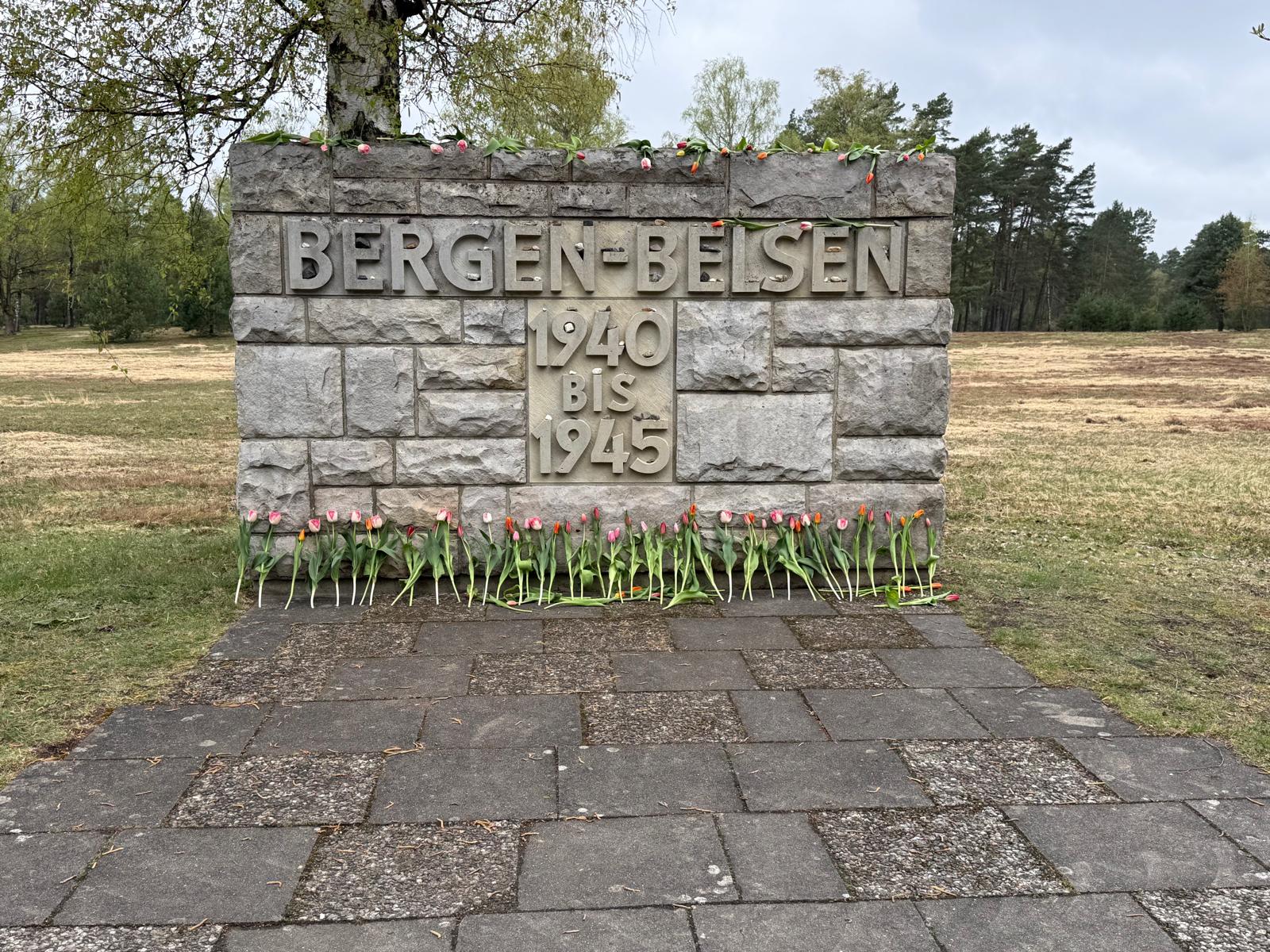
The Bergen-Belsen camp, located in the German state of Lower Saxony, was a place of suffering for tens of thousands of people. In total, around 120,000 prisoners from various European countries were held there, more than 52,000 of whom lost their lives. At the prisoners-of-war cemetery, 19,580 Soviet POWs are buried, including many Azerbaijanis.
In conclusion, Aghayev stressed that Azerbaijani prisoners of war in Bergen-Belsen have now been given a lasting place in Europe’s collective memory. The plaque will endure—as a voice for those who could no longer speak and as a warning for future generations.
Video of the event: https://youtu.be/5e9HKtqM2Sk?is=2mOqk6urwUBcso7L